
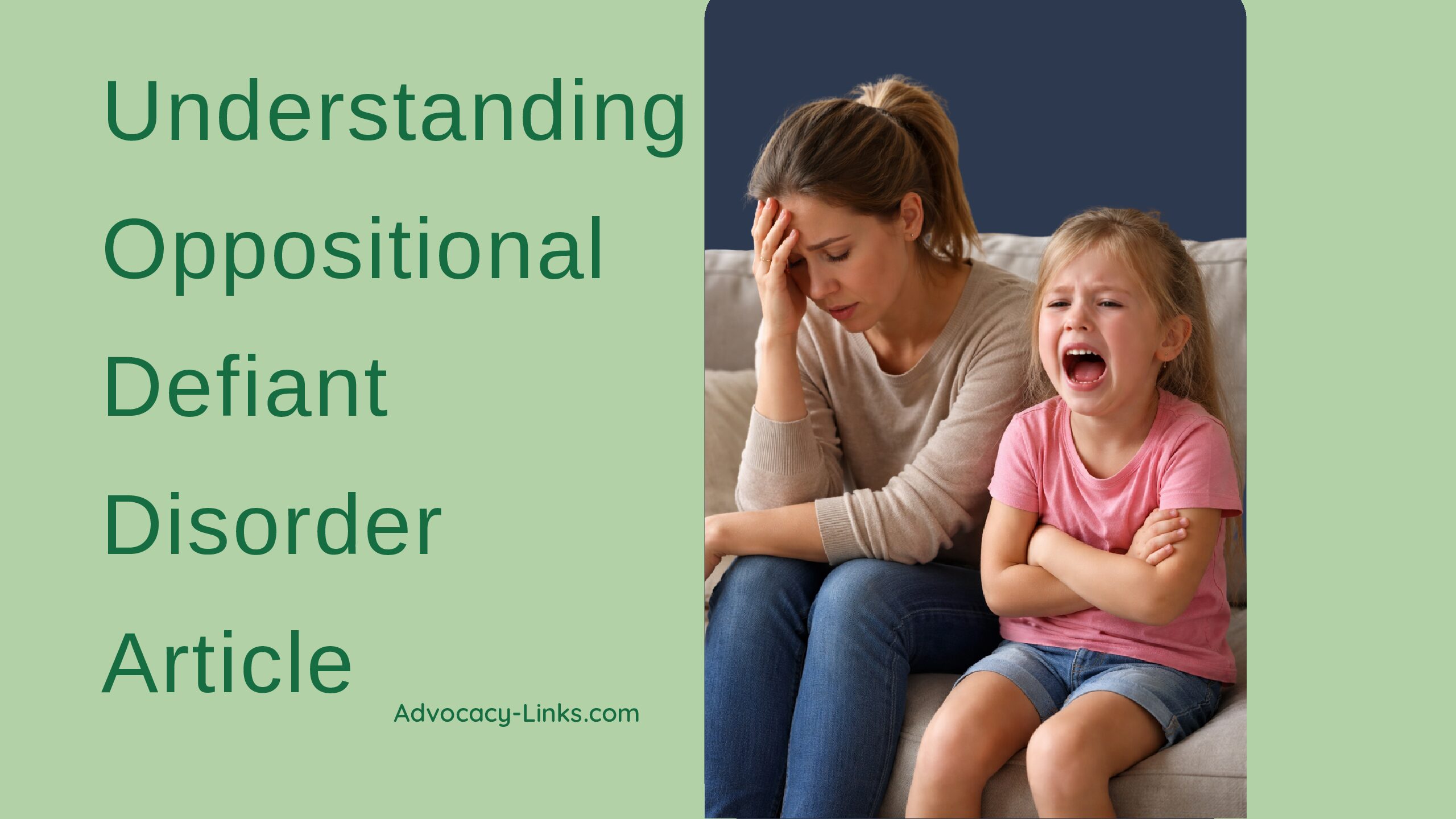
Oppositional Defiant Disorder, often called ODD, is a behavioral condition that affects how children respond to authority, rules, and everyday expectations. Children with ODD may seem angry, argumentative, or easily frustrated. These behaviors are not simply about being defiant on purpose; they are often linked to difficulty managing emotions, stress, and reactions. ODD can impact daily family life, but with understanding and support, children can learn healthier ways to cope.
Supporting a Child with Oppositional Defiant Disorder
Raising a child with ODD can be exhausting and emotionally draining for caregivers. Many children with ODD are strong-willed, passionate, and sensitive, but they may struggle with cooperation and emotional control. Everyday situations—such as getting ready for school, following household rules, or completing homework—can quickly turn into power struggles.
Children with ODD may argue frequently, refuse to follow directions, become easily annoyed, or blame others for mistakes. They may have strong reactions to limits or corrections and struggle to calm down once upset. These behaviors can affect relationships at home, school, and in the community, often leaving caregivers feeling frustrated, misunderstood, or unsure how to help.
Everyday Challenges Families May Face
Families often find that simple routines take extra time and energy. Mornings may be filled with arguments, and homework time may feel like a daily battle. School may bring concerns about behavior or discipline, while family outings or social activities can feel stressful. These challenges are common for families raising children with ODD and are not caused by poor parenting. ODD affects how a child reacts to expectations and stress.
When to Seek Help
It may be time to seek support if defiant behaviors are frequent, intense, or interfering with school, home life, or relationships. If you feel overwhelmed or if strategies you’ve tried are not working, reaching out for help can make a difference. A child’s doctor, therapist, or mental health provider can help assess needs and recommend supports. Schools can also offer behavior strategies and accommodations to help children succeed.
Supporting Your Child at Home
Consistency, clear expectations, and calm responses can help reduce conflict over time. Offering choices, praising positive behavior, and focusing on connection rather than punishment can help build trust. Children with ODD often benefit from feeling understood and supported, even when limits are necessary. Caregivers also need support, as managing daily conflicts can be exhausting.
How Local Advocacy Can Help You
Local advocacy organizations like Advocacy Links can support families navigating Oppositional Defiant Disorder. Advocates help families find mental health services, work with schools, and connect with community resources such as Wraparound services. Advocacy Links helps families understand options and take next steps without feeling alone.
Every child deserves patience, guidance, and the opportunity to learn positive ways to manage emotions and behavior. Every caregiver deserves support and understanding. If your family is facing challenges related to Oppositional Defiant Disorder, Advocacy Links is here to help connect you with the resources and support you need.