
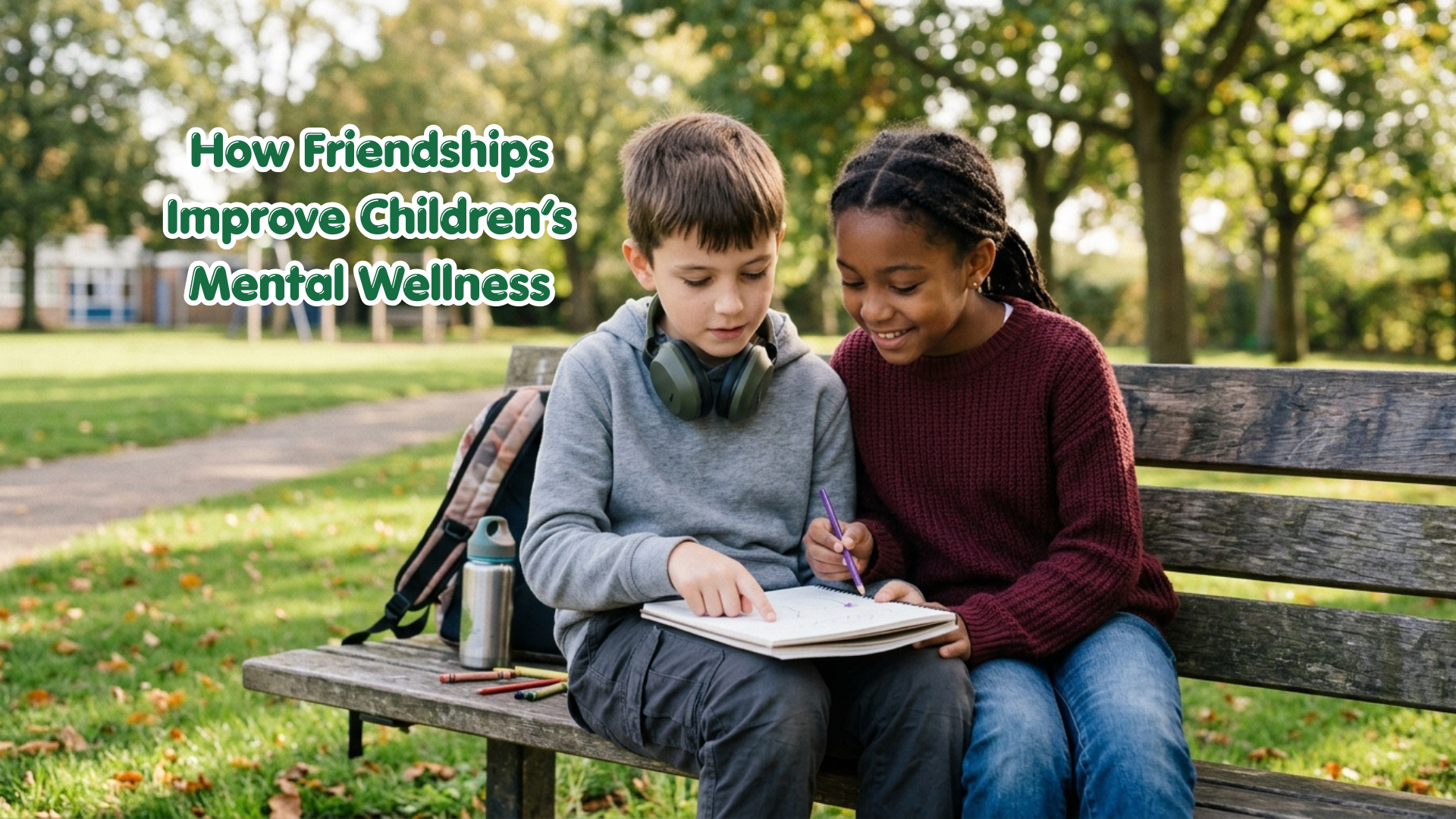
How Friendships Improve Children’s Mental Wellness
Friendships can have a positive effect on a child’s mental wellness. A caring friend can help a child feel accepted, supported, and less alone.
For children living with anxiety, depression, ADHD, autism, mood disorders, or other mental health challenges, making friends may be difficult. Some children struggle with conversations, social cues, large groups, or strong emotions. Supportive friendships do not replace counseling or treatment, but they can be an important part of a child’s support system.
Friendships Create Belonging
Children with mental health challenges may feel different from others or worry that they will be judged. A trusted friend can help them feel included and understood.
Children do not need a large group of friends. One dependable friendship can provide comfort, companionship, and a sense of belonging.
Friends Build Confidence
Friendships give children opportunities to practice important social skills. They can learn how to listen, share, take turns, ask for help, and solve disagreements.
Friends may also notice a child’s strengths. Being told they are funny, creative, kind, or helpful can improve a child’s confidence and help them see their own positive qualities.
Friendships Reduce Stress
Spending time with a trusted friend can help a child relax. Playing games, drawing, listening to music, talking, or spending time outdoors can offer a break from stress and worry.
Children may not always want to talk about their feelings. Simply being with someone they trust can still be comforting.
Shared Interests Help Children Connect
Children often make friends through activities they enjoy. Sports, art, music, animals, books, video games, and community activities can give children something to share and talk about.
Parents and caregivers can help by choosing small, comfortable activities. A short visit with one child may feel easier than a large party or crowded event.
Some children also need quiet time after social activities. This does not mean the visit went badly. Social situations can be tiring.
Healthy Friendships Should Feel Safe
Healthy friendships include kindness, respect, and trust. Friends may disagree, but children should not feel afraid, controlled, or repeatedly hurt.
Adults should pay attention if a child suddenly avoids a friend, seems upset after visits, receives hurtful messages, or becomes withdrawn.
Calm questions such as “How did that make you feel?” or “Do you feel safe with this person?” can help children talk about what is happening.
Every Child Deserves Connection
Friendships look different for every child. Some children prefer one close friend, while others enjoy a small group. The goal is not to force a child to be more social. The goal is to help them build safe and meaningful relationships that fit their needs.
Friendships cannot solve every mental health challenge, but they can provide comfort, encouragement, laughter, and hope. Even one supportive friend can make a meaningful difference in a child’s life.
Advocacy Links helps families find information, resources, and support for children experiencing mental health challenges.